












Cannabidiol Oil Explained: Its Benefits for Sleep and Relaxation
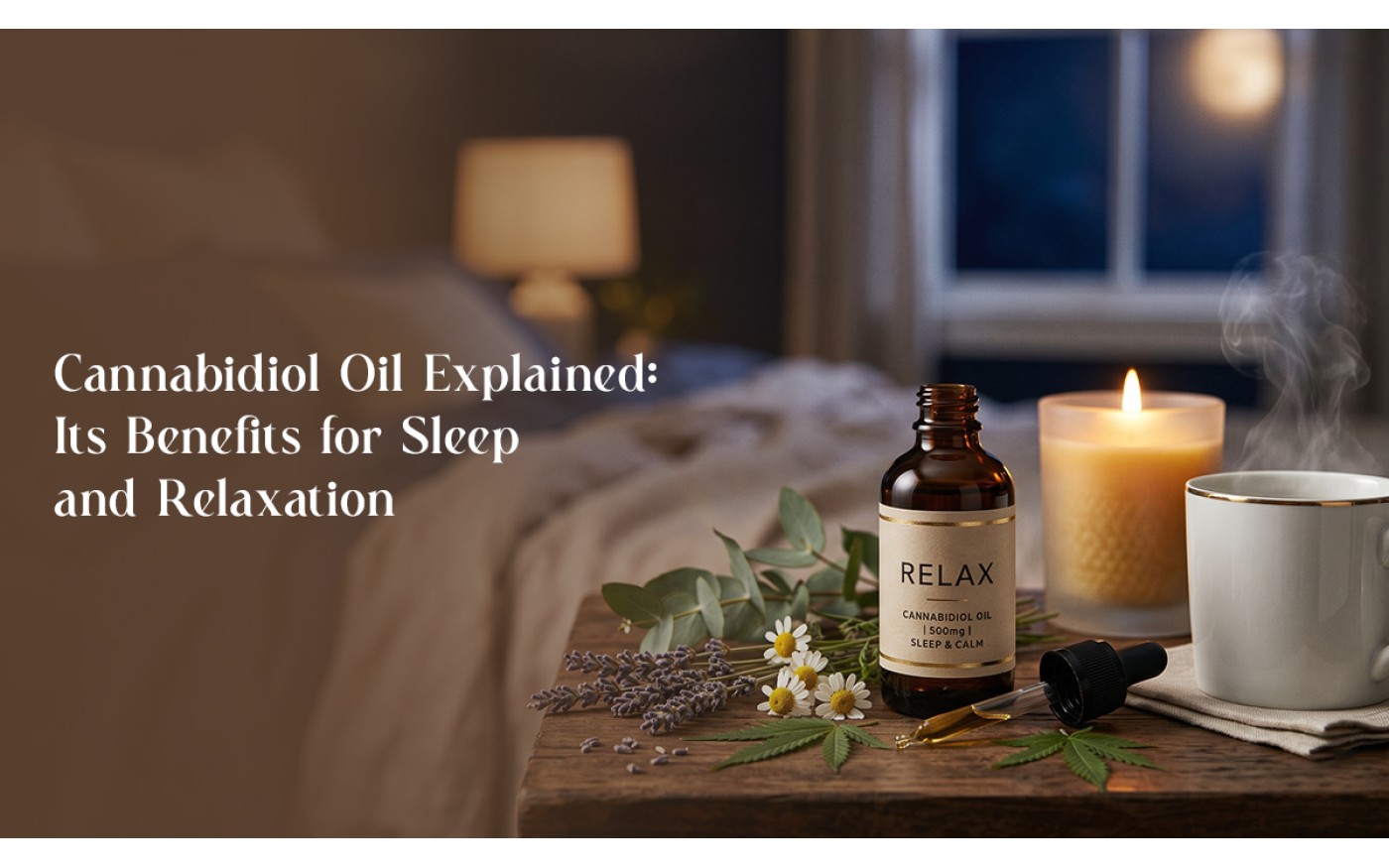
Bad sleep does not announce itself. It just quietly takes over your days. You get through them, but barely. And somewhere along the way, a lot of people searching for something that actually helps have landed on cannabidiol oil India products as a genuine option worth trying. Not because of hype. Because enough real people have reported real changes in how they sleep and how they feel during the day that it is hard to keep dismissing it. This blog is a straight look at what CBD oil does, where it fits for sleep and relaxation, and what you should actually know before trying it.

What Is CBD Oil and Where Does It Come From?
CBD stands for cannabidiol. One compound among many in the hemp plant.
Unlike THC, it carries no psychoactive effect. No high, no altered state, nothing like that. It is extracted from hemp, then combined with a carrier oil, usually MCT or hemp seed oil, because your body absorbs it far better that way than it would from raw extract alone.
Worth saying plainly: hemp and marijuana are related but are not the same. Hemp is low in THC by nature. Products made properly from hemp sit in a completely different category from what most people imagine when they hear "cannabis."
How CBD Oil May Help With Sleep
It does not work the way a sleeping pill works. There is no sedative effect. No heaviness that pulls you under.
What seems to happen instead is that CBD works alongside your body's own regulatory systems rather than overriding them. Your endocannabinoid system, which most people have never heard of, helps manage sleep, mood, appetite, and stress. When it runs well, sleep tends to follow. When it does not, sleep is usually among the first casualties.
CBD appears to interact with this system in ways that help bring it back toward balance. A few things people consistently report:
The mental noise drops. Not because you feel drugged. More because the racing quality of anxious thought softens into something manageable.
Physical tension you did not realise you were carrying, finally, let's go. That matters more than people expect. A body that cannot release tension cannot rest properly.
Fewer wake-ups through the night. Plenty of people fall asleep fine and still feel unrested because they surface repeatedly. This is something CBD users specifically mention improving.
Deeper sleep, not just more sleep. There is early research suggesting CBD may support the more restorative stages of the sleep cycle.
None of this is overnight. Consistency across several weeks is where most people report the clearest shift.
CBD Oil and Relaxation: What Actually Happens
Here is something most CBD conversations skip over. If your nervous system runs at a heightened level all day, it does not simply power down when you get into bed. The stress you carry through the afternoon shows up at 11 pm and keeps you awake.
CBD used earlier in the day, at a modest dose, may help keep that baseline lower. Not drowsy. Not disconnected. Just less reactive. Less irritable at small things. Some users describe it as feeling more like themselves than they have in months.
It may also interact with serotonin pathways in a way that steadies mood. Stable mood across the day tends to create less resistance to sleep at night. Simple mechanism, but it makes a practical difference.
Understanding the Difference Between CBD, Cannabis Oil, and THC Oil
These terms get used interchangeably. They should not be.
Cannabis oil covers a wide range of products. Some are CBD-heavy. Some are THC-heavy. Some are both. The name alone tells you almost nothing about what is inside.
Pure THC oil is concentrated THC. Psychoactive, legally restricted in most places, and it works through entirely different pathways in the body. It is not a sleep supplement. It is not an alternative to CBD. Using one in place of the other is not a substitution; it is a completely different experience.
CBD oil from properly sourced hemp is what this blog is about: low THC, non-intoxicating, and legal when handled correctly. If sleep and stress are your reasons for looking, CBD oil is the relevant category.
How to Use CBD Oil for Sleep and Relaxation
Timing and consistency matter more than dose alone:
Take it 40 to 50 minutes before bed, not right as you close the lights
Start at 10 to 20 mg and hold that for at least ten days before adjusting
Hold it under your tongue for a full minute before swallowing. This changes how quickly it absorbs
Use it regularly, not only on nights when you already feel desperate
Bring screens down in the last hour before bed; CBD and blue light work against each other
Ready to Sleep Better? Try Hempstrol's CBD Oil Today
Enough with products that overpromise. Hempstrol's cannabidiol oil is third-party tested, transparently labelled, and built specifically for people in India who want something that genuinely works rather than something that just sounds good on a label. They have done the formulation work properly. No shortcuts, no vague claims, no wellness jargon hiding an inferior product. If you have tried other things and found them lacking, or if this is your first time exploring CBD seriously, visit hempstrol.com and look at what they have built. The difference between a product made with care and one made for margin is something you will notice quickly.
Frequently Asked Questions
1. How long does CBD oil take to help with sleep?
Most people notice effects within 30 to 60 minutes after taking CBD oil under the tongue before bedtime.
2. Can I take CBD oil every night?
Yes, daily use is considered safe and may improve results since CBD builds up gradually in your system over time.
3. Will CBD oil make me feel groggy the next morning?
No, unlike sleep medications, CBD does not typically cause grogginess or reduce your alertness the following day.
4. Is CBD oil legal in India?
Hemp-derived CBD oil with less than 0.3 percent THC is legal and available through licensed, trustworthy brands like Hempstrol.
5. What dose should I start with for sleep?
Starting between 10 and 25 mg is generally recommended, then adjusting slowly based on how your body responds each night.