










Cannabis Products in India: How CBD Is Quietly Shaping the Wellness Market
-1400x875.jpg)
In recent years, India has witnessed a subtle but steady rise in interest in cannabis-based wellness products. While the psychoactive side of cannabis, THC, remains strictly controlled, its non-intoxicating cousin CBD (cannabidiol) is slowly finding a foothold. From oils and capsules to skincare and pet supplements, cannabis products are quietly shaping a new segment of India’s wellness market.
Here’s a closer look at how cannabis products are evolving in India, what’s driving the demand, and what consumers should keep in mind.
.jpg)
What Is CBD and How Is It Different From THC?
Cannabidiol (CBD) is one of the many compounds found in the cannabis plant. Unlike tetrahydrocannabinol (THC), cannabis products do not produce a high or intoxicating effect. Instead, it is often linked to calming, anti-inflammatory, and therapeutic benefits.
This distinction is key in India. While THC-rich cannabis products are prohibited under the Narcotic Drugs and Psychotropic Substances (NDPS) Act, hemp-derived CBD, when within permitted THC limits, can be legally sold under wellness and ayurvedic categories.
.jpg)
The Growing Range of CBD Products in India
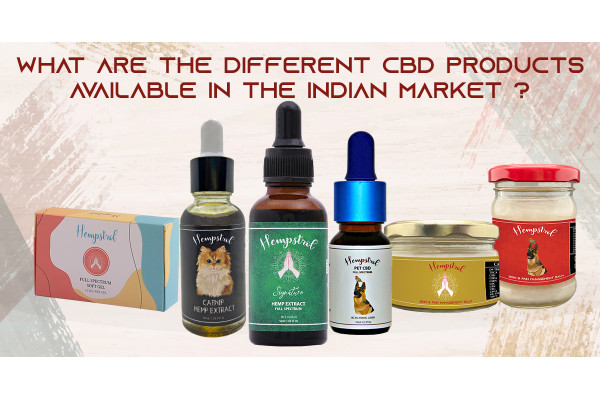
Over the last five years, the range of cannabis products available in India has expanded:
CBD oils: Popular for stress relief, sleep support, and pain management.
Capsules and softgels: Convenient formats for daily wellness routines.
Topicals and skincare: Creams and balms infused with CBD for localized relief.
Pet care: Oils and chews designed to help dogs and cats with anxiety or joint health.
Hemp nutrition: Though not CBD-rich, hemp seeds and hemp seed oil are marketed as superfoods and often sold alongside CBD products.
These offerings are largely found online, with licensed Indian companies positioning them as natural, ayurveda-backed solutions.
.jpg)
Why CBD Is Gaining Popularity in India?
The rise of cbd products India in India is driven by several overlapping trends:
Wellness culture: Urban consumers are seeking natural alternatives to manage stress, insomnia, and chronic pain.
Ayurvedic positioning: By aligning CBD with traditional medicine frameworks, brands make it more culturally and legally acceptable.
Global influence: Exposure to cannabis wellness trends in the U.S. and Europe has increased curiosity among Indian consumers.
Pet ownership growth: The demand for CBD pet care products reflects a broader shift toward holistic animal wellness.
This quiet adoption reflects a preference for subtle, plant-based remedies over harsher pharmaceutical options.
The Legal Grey Zone
CBD’s legal status in India is not black and white. While the NDPS Act restricts cannabis resin and flowers, hemp-based products using seeds and leaves fall into a different category. Some CBD products are also sold as ayurvedic formulations with licenses from the AYUSH Ministry.
However, the lack of clear regulatory guidelines means consumers must be careful. Imported CBD, especially if high in THC, may be flagged by customs. Domestic products are safer, but buyers should still check for proper certifications.
.jpg)
Challenges for the Indian CBD Market
Despite growing interest, the CBD wellness space faces significant challenges:
Regulatory ambiguity: Brands operate in a cautious space, mindful of shifting interpretations of the law.
Awareness gap: Many consumers still confuse CBD with marijuana, limiting wider acceptance.
Pricing: CBD products remain relatively expensive, making them accessible mainly to urban upper-middle-class buyers.
Quality control: Without strict regulations, the risk of mislabelled or low-quality products persists.
For the industry to grow sustainably, clearer rules and consumer education will be critical.
.jpg)
The Role of Ayurveda in Normalizing CBD
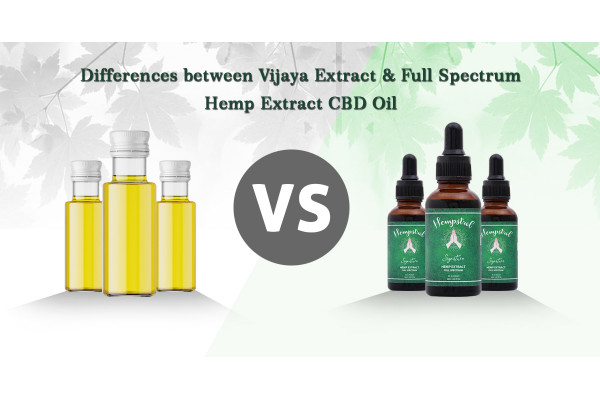
One of the most effective strategies used by Indian companies has been to position CBD as part of ayurvedic wellness traditions. Cannabis (known as vijaya in Sanskrit) has historical references in Ayurveda, particularly for pain relief, digestive health, and calming the mind.
By blending CBD into ayurvedic formulations, brands gain legitimacy, regulatory approval, and cultural acceptance. This approach helps Indian consumers see cannabis less as a taboo and more as a natural therapeutic tool.
The Future of Cannabis Wellness in India
As global cannabis markets expand, India is likely to see more structured growth in its CBD sector. Possible future developments include:
Regulated medical cannabis programs: Offering CBD and THC-based medicines under prescription.
Increased domestic cultivation: Hemp farming could expand as demand rises.
Mainstream retail presence: Beyond online platforms, CBD products could appear in pharmacies and wellness stores.
Price normalization: Wider adoption may eventually bring down costs.
While recreational cannabis legalization remains unlikely in the near future, CBD’s non-intoxicating nature gives it a unique opportunity to shape the wellness industry.
At last,
Cannabis products in India are still navigating cultural stigma and legal complexity, but CBD is carving out a quiet but steady role in the wellness space. By offering solutions for stress, sleep, and holistic health—without the intoxicating effects of THC—CBD has found a niche among health-conscious Indians.
As awareness grows and regulations evolve, CBD could become a cornerstone of India’s wellness market. For now, consumers exploring this space should stay informed, choose licensed brands, and approach CBD as part of a broader lifestyle of balance and well-being.