











CBD Oil Explained: Potential Uses, Benefits and Known Limitations
-1400x875.jpg)
As conversations around holistic wellness continue to evolve, CBD oil has emerged as one of the most discussed plant-based supplements in recent years. Often positioned at the intersection of traditional plant wisdom and modern lifestyle needs, CBD oil is explored by individuals seeking balance, comfort, and everyday support rather than dramatic or immediate results.
Understanding what CBD oil is, how it is commonly used, and where its limitations lie is essential for making informed and responsible wellness choices. Rather than viewing it as a cure-all, CBD oil is best approached as one element within a broader, mindful approach to health.
.jpg)
What Is CBD Oil?
CBD, short for cannabidiol, is a naturally occurring compound derived from the hemp plant. Unlike compounds associated with intoxication, CBD is widely discussed for its non-psychoactive nature, meaning it does not produce a “high.”
CBD oil is typically made by extracting cannabidiol from hemp and combining it with a carrier oil. The resulting product is used in small, measured quantities and is often incorporated into daily routines rather than taken occasionally. Traditional wellness philosophies emphasise consistency and moderation, values that align closely with how CBD oil is generally used today.
.jpg)
Why CBD Oil Is Gaining Attention
Modern life brings with it long work hours, irregular routines, mental overstimulation, and limited downtime. As a result, many people are seeking wellness options that feel gentle, adaptable, and supportive rather than aggressive or overwhelming.
This has contributed to growing interest in cbd oil India, where individuals are increasingly curious about plant-based solutions that fit into everyday life. The appeal lies not only in accessibility but also in the opportunity to research, compare, and understand products before integrating them into a routine.
CBD oil is often explored as part of a broader lifestyle shift toward mindfulness, balance, and preventive care rather than reactive solutions.
.jpg)
Potential Uses of CBD Oil
CBD oil is commonly discussed in relation to supporting general well-being rather than targeting a single outcome. Many people incorporate it into routines focused on relaxation, emotional steadiness, and physical ease.
In wellness conversations, CBD oil is often associated with calming evening rituals, post-activity recovery, and moments of rest. Rather than stimulating the system, it is typically viewed as a way to encourage the body to return to a more balanced state.
Some individuals also explore alternative formats such as cbd capsules for pain, particularly when looking for structured, measured intake options that fit neatly into daily schedules. These formats are often chosen for convenience and consistency rather than immediacy.
.jpg)
Supporting Balance, Not Forcing Change
One of the defining characteristics of CBD oil is how it fits into a holistic wellness philosophy. Instead of forcing dramatic changes, holistic approaches aim to remove obstacles to balance.
When the body is supported through adequate rest, hydration, nutrition, and stress management, wellness tools like CBD oil are seen as complementary. This perspective reduces pressure and encourages patience, allowing individuals to observe subtle shifts over time rather than expecting instant transformation.
.jpg)
Known Benefits Through a Holistic Lens
From a holistic standpoint, the potential benefits of CBD oil are best understood in terms of overall balance. Many users describe it as part of routines that help them feel more grounded, relaxed, or comfortable in daily life.
These experiences are highly individual and influenced by lifestyle, consistency, and personal health patterns. This variability is why traditional wellness systems emphasised personalisation rather than universal prescriptions.
CBD oil’s perceived benefits often emerge gradually, reinforcing the idea that it works best when paired with supportive habits rather than used in isolation.
.jpg)
Understanding the Limitations of CBD Oil
While CBD oil is widely discussed, it is equally important to acknowledge its limitations. CBD oil is not a replacement for medical treatment, nor should it be viewed as a guaranteed solution for complex or chronic conditions.
Responses to CBD oil vary significantly between individuals. Factors such as body chemistry, routine consistency, stress levels, and existing health conditions all play a role in how it is experienced.
Additionally, natural does not automatically mean risk-free. Misuse, overuse, or lack of awareness can reduce effectiveness or lead to unwanted effects. This is why education, moderation, and professional consultation remain essential.
Making Informed Purchasing Decisions
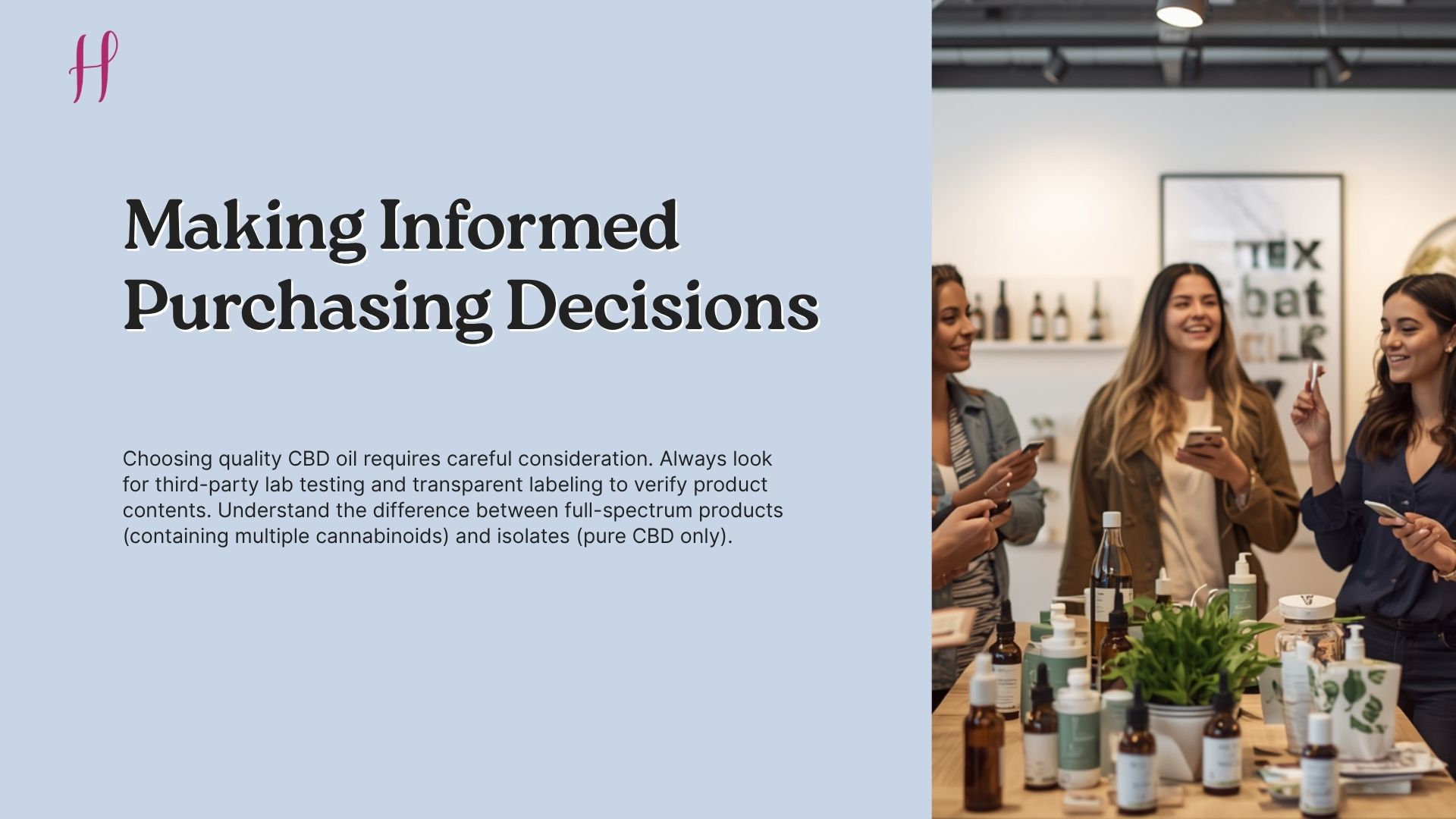
As demand grows, so does the importance of quality and transparency. People looking to buy cbd premium quality oils are often seeking reassurance around sourcing, extraction methods, and testing standards.
Reputable products usually provide clear information about hemp origin, manufacturing practices, and quality checks. Transparency helps consumers make choices aligned with their wellness goals rather than relying on marketing claims alone.
Informed purchasing is a crucial part of responsible CBD use and reflects a broader shift toward conscious consumerism in wellness.
Integrating CBD Oil into Daily Life
CBD oil is most effective when integrated into routines thoughtfully. Rather than being used sporadically, it is often paired with daily rituals such as winding down in the evening, post-work relaxation, or moments of quiet reflection.
Consistency allows individuals to better observe how their body responds and whether adjustments are needed. Starting with small amounts and gradually assessing personal response aligns with both traditional wisdom and modern wellness guidance.
CBD oil should complement, not complicate, daily life.
The Importance of Professional Guidance
Consulting a healthcare professional before introducing CBD oil into a routine is a responsible step, especially for individuals managing existing health concerns or taking other supplements.
Professional guidance helps ensure that CBD oil fits safely within an individual’s broader health context and reduces the risk of unintended interactions.
At last,
CBD oil represents a thoughtful intersection of traditional plant knowledge and modern wellness needs. When approached with awareness, moderation, and realistic expectations, it can serve as a supportive element within a balanced lifestyle.
Understanding its potential uses, benefits, and limitations allows individuals to make informed decisions rooted in responsibility rather than hype. As with any wellness tool, CBD oil works best when paired with mindful living, professional guidance, and a long-term perspective on health.