







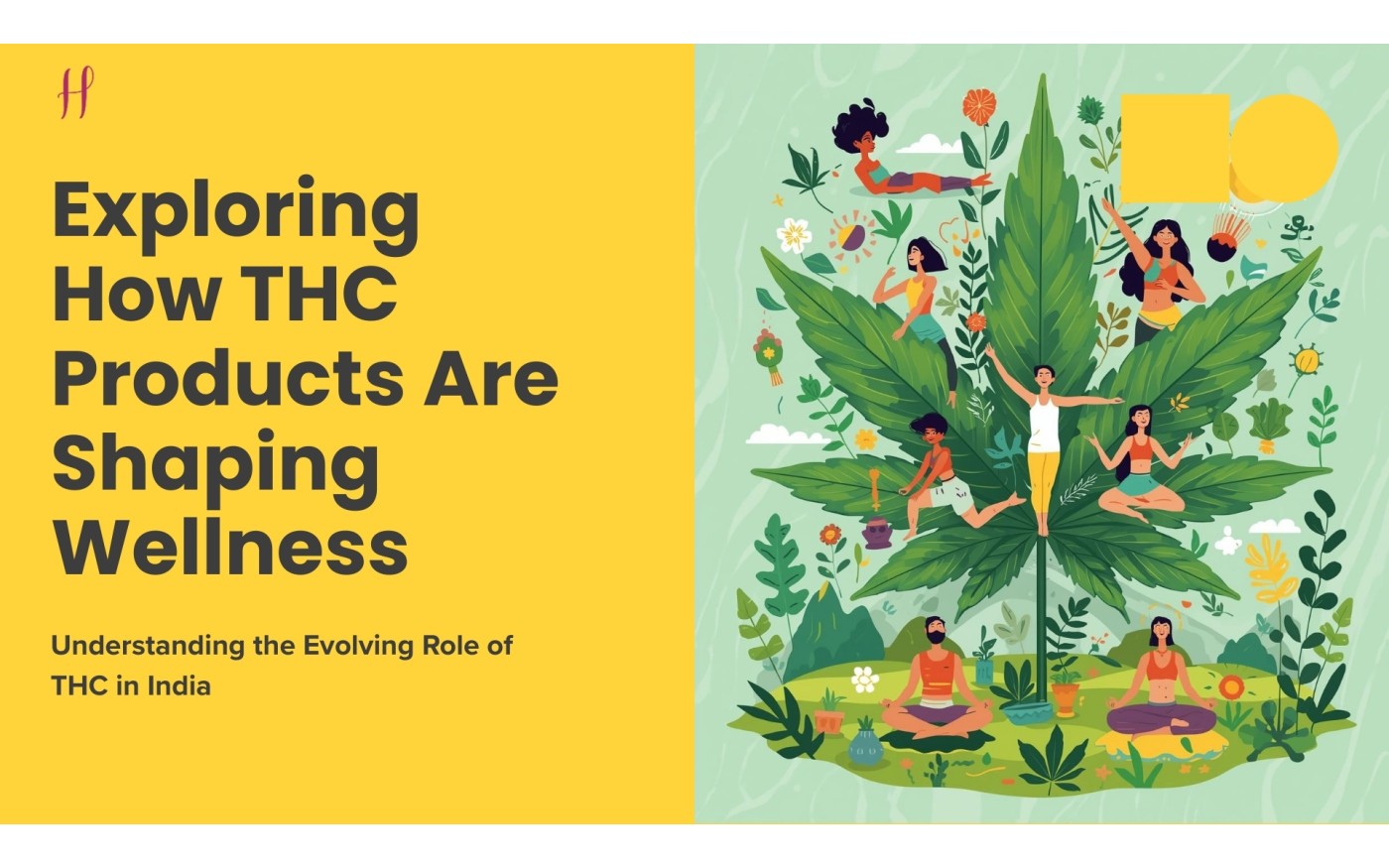
Exploring How THC Products Are Shaping Wellness in India
.jpg)
There’s a small revolution unfolding at the edge of India’s wellness scene, one that smells faintly of earth and spice, and speaks in headlines about law, medicine and lifestyle. THC, the psychoactive component in cannabis that most people associate with a “high,” is showing up in conversations about sleep, chronic pain, anxiety and even traditional healing. That doesn’t mean India is waking up to a free-for-all; it means a complicated, cautious conversation is happening, part curiosity, part commerce, and part careful regulation.
.jpg)
What the law actually says,
India’s legal position on cannabis is peculiar and narrower than what many people assume. The Narcotic Drugs and Psychotropic Substances (NDPS) Act of 1985 criminalizes the cultivation, production and sale of cannabis resin and flowering tops (ganja/charas), while explicitly excluding preparations made from the leaves and seeds, bhang being the best-known example. That legal distinction allows certain traditional uses to continue, but it keeps THC-containing products derived from flowers and resin in a legally fraught zone. At the same time, the government has signalled interest in hemp cultivation for industrial purposes and research into low-THC strains.
Where THC products are appearing and why people care
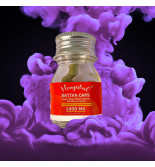
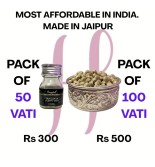
Despite the legal constraints, a market often operating in a grey area has sprung up. Online stores and niche brands sell tinctures, gummies and topical formulations marketed for pain relief, sleep improvement and stress reduction. Many of these products are sold as “medical” or “Ayurvedic proprietary” formulations, and some claim to contain controlled, low levels of THC combined with CBD. Consumers who reach for these products are typically people who have tried conventional routes (painkillers, antidepressants, sleep aids) and are looking for alternatives that feel more natural or gentler in side effects. The online ecosystem and social media communities have accelerated awareness and demand.
What the evidence says (and what it doesn’t)
Globally, there is growing, if still mixed, clinical evidence that cannabinoids can help with certain conditions: neuropathic pain, some forms of epilepsy, and chemotherapy-related nausea feature most strongly in clinical literature. India-specific clinical research is increasing, but is limited compared with Western countries. Indian institutions and researchers have called for structured clinical trials and clearer regulatory pathways to enable safe medicinal use and to study long-term effects. That cautious approach is sensible; cannabinoids are not a miracle cure, their effects vary a lot between individuals, and dosing, especially of THC products in India, is tricky.
The distinction everyone should know: CBD vs THC
A lot of the marketing around “cannabis wellness” blurs the line between CBD and THC. CBD (cannabidiol) is non-intoxicating and has become broadly acceptable in wellness circles worldwide; many Indian sellers promote CBD oils, chocolates and skincare. THC, however, produces psychoactive effects and is more tightly regulated. Some products labelled as CBD may contain trace THC products in India; others claim to use “low-THC” or hemp-derived extracts. For consumers, transparency and third-party lab testing are crucial, as they tell you what’s actually in the bottle.
Safety and regulation: the elephant in the room.
One of the fastest-growing concerns is product safety. International agencies have flagged issues such as inconsistent labelling, untested formulations, and dangerous packaging that can attract children (the FDA’s warnings about THC-laced edibles in the U.S. are instructive even for Indian readers). In India, the regulatory framework is still catching up. Companies sometimes sell proprietary Ayurvedic medicine labels to navigate rules, but that doesn’t replace robust pharmacovigilance, age-limits, manufacturing standards or clear prescription pathways for higher-THC medical products. Without stronger oversight, consumers can be exposed to mislabeled doses or harmful contaminants.
.jpg)
Cultural context: bhang, festivals and the politics of acceptance.
Cannabis is not an alien import in India; it has a long cultural and spiritual history. Bhang during Holi, local medicinal uses and regional traditions complicate simple narratives of prohibition. This cultural context means that conversations about THC are as much about identity and ritual as they are about medicine and business. Any policy or market that ignores these cultural dimensions will likely misread public sentiment.
.jpg)
Who is using THC products in India, and how do they use them
From urban wellness seekers to patients with chronic conditions, the user base is diverse but small compared with established wellness markets like yoga or Ayurveda. Many users opt for microdosing (very small, controlled amounts) to manage sleep or anxiety, while others use topicals for localized pain relief without systemic effects. There is also a growing number of caregivers and clinicians who are cautiously interested in cannabinoid therapies not as first-line cures, but as adjuncts in complex care plans.
The business reality: a mix of legitimate startups and sketchy sellers.
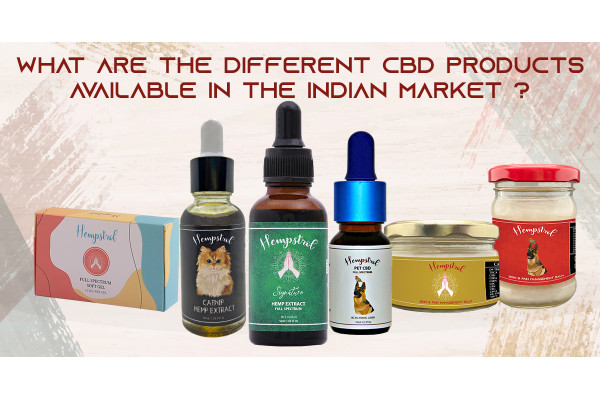
A budding domestic industry has popped up: Buy hemp products, farming ventures, CBD brands, and wellness startups. But the market is uneven. Some players invest in lab testing and good manufacturing practices; others push unverified claims. For mainstream adoption, Indian businesses will need to invest in quality control, transparent labelling, and engagement with medical and regulatory stakeholders. Investors, too, will watch how the legal landscape evolves. Anything that clarifies prescription pathways or allows controlled medical access will attract more capital.
Looking ahead: cautious optimism and practical steps.
If THC is to be responsibly integrated into India’s wellness ecosystem, a few things are necessary: clearer, updated regulation that distinguishes medical use from recreational use; standardized lab testing and labelling; physician education so clinicians can advise patients; and well-designed Indian clinical trials to establish safety and dosing guidelines. At the consumer level, the best advice today is skeptical curiosity: ask for lab reports, consult a qualified doctor if you have health conditions or take other medications, and treat product claims with healthy doubt.
At last,
THC products are nudging into India’s wellness conversation not as a sweeping cultural takeover, but as a complicated, incremental shift: a combination of curiosity, market opportunism, emerging science and traditional context. For those grappling with chronic pain, insomnia or anxiety, these products offer another option, one that comes with benefits, unknowns and responsibilities. How India chooses to regulate, research and culturally integrate THC will determine whether this moment becomes a meaningful supplement to wellness or a hastily grown patch of hype. Either way, it’s a conversation worth having openly, honestly and with the kind of careful scrutiny that public health deserves.